
Watch time is the silent scorekeeper of TikTok. The longer people stay on a video, the more the platform trusts that video with new audiences. Pakistani creators who cracked this did not just get luckier than everyone else. They learned that two small pieces of text — the title a viewer sees before pressing play and the caption they read while watching — can quietly hold attention for extra seconds. Those extra seconds add up. If you want to experiment with titles that are built to spark curiosity, On4t’s free TikTok Title Generator can give you ready-to-post options in seconds.
This guide breaks down how top Pakistani creators write titles and captions that keep viewers watching until the end — no tricks, just techniques that work with how people actually scroll.
Why Titles and Captions Matter More Than Most Creators Think
Most people judge a video before the first frame even plays. The title sits there like a tiny billboard, deciding in half a second whether a thumb keeps scrolling or stops. The caption does its work later, while the video is playing — it gives the brain a second stream of information to follow, which makes it harder to drift away.
A large share of TikTok viewing happens with the sound off — people scrolling on the bus, in the office, or late at night with the volume down. In those moments, captions and on-screen text are not decoration. They are the only thing telling the viewer what is happening. Creators who write for sound-off viewers keep an audience that silent-scroll creators lose completely.
Titles That Earn the First Three Seconds
The title’s job is simple: stop the scroll. Pakistani creators who do this well treat every title like a question the viewer cannot leave unanswered. Instead of describing the video, they hint at the payoff.
The classic formula is curiosity plus a promise. “I tried this viral chai recipe and it changed everything” beats “Chai recipe video” because it tells the viewer a result is waiting at the end. Questions work too, but aim them at a specific viewer: “What would you do if your wedding outfit arrived late?” pulls in anyone who has lived that panic.
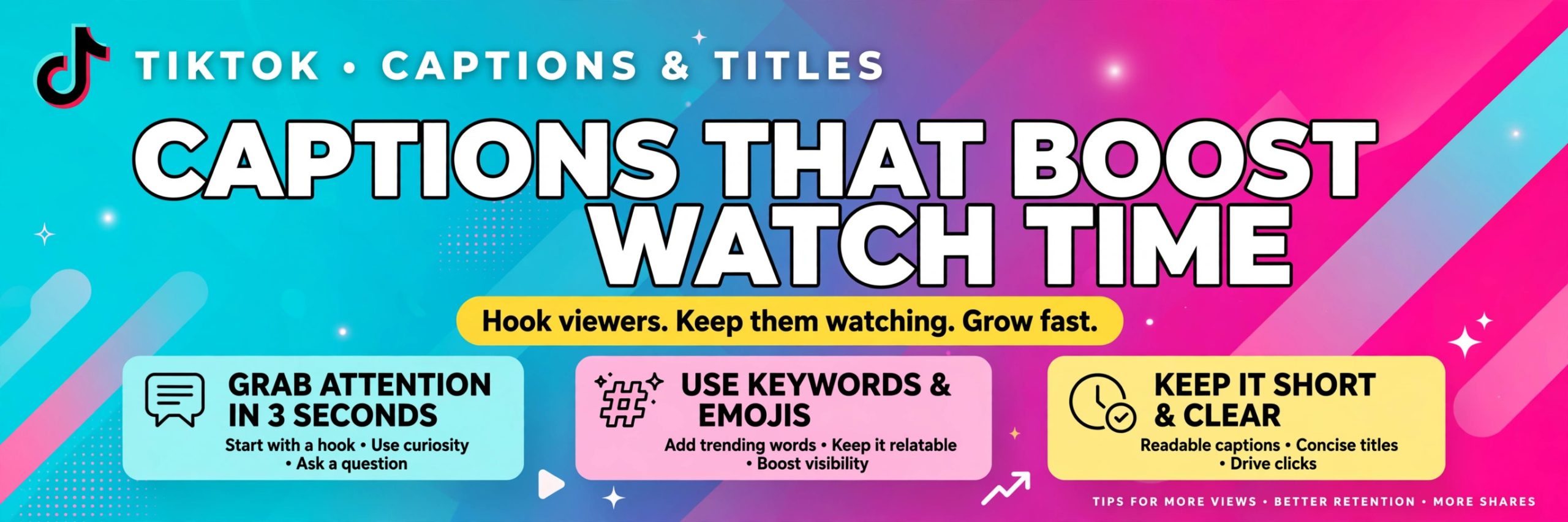
Captions That Keep Eyes on the Screen
Once the video starts, the caption becomes a companion track. Top creators use it for three things: context, keywords, and conversation.
Context first. The caption can add the piece of information the video leaves out — the recipe measurements, the location name, the part two promise. When viewers have to read to get the full story, they stay longer. Some creators deliberately split information between the video and the caption so that neither one tells the whole story alone.
Keywords second. TikTok search is a real discovery channel, and captions that sound like natural search phrases help videos get found. One clear phrase and a plain-spoken benefit beat a stuffed list of buzzwords.
Conversation third. Ending the caption with a simple question invites comments, and comments invite more comments. A short prompt such as “would you try this?” turns a passive viewer into an active one. Replying to early comments — and pinning a useful reply — keeps the thread alive, which keeps the video active longer.
On-Screen Text: The Third Layer
Separate from the caption box, the text baked into the video itself does heavy lifting. Pakistani creators who edit with bold on-screen phrases report that viewers linger longer, because reading and watching at the same time gives the brain two things to do at once. A zoned-out viewer is a viewer about to swipe.
The best on-screen text does three jobs:
- States the topic instantly. The first frame tells the viewer exactly what they are getting — “Packing for a road trip in under two minutes” leaves no confusion.
- Structures the video. Step markers like “Step one”, “The mistake everyone makes”, “The result” turn a rambling clip into a guided tour.
- Reinforces keywords. If the caption targets a search phrase, echoing it on-screen strengthens the signal about what the video covers.
Keep the text short and readable. Long sentences on screen slow people down and can annoy them into leaving. Three to six words per frame is the sweet spot that experienced creators aim for.
The Open-Loop Technique
The most powerful watch-time technique in captions and on-screen text is the open loop: mentioning a payoff without delivering it yet. “The third mistake nearly cost me the whole video — watch till the end” is a promise the brain wants fulfilled.
Pakistani creators use this constantly — a cooking creator teases “wait for the final plating”, a travel creator hints “the view at the end was unreal”. Each gives the viewer a specific destination, and viewers with a destination rarely leave early.
One caution: the loop must close. If you promise a payoff and never deliver it, viewers learn not to trust your titles. Broken promises buy a few seconds once and cost you loyal viewers forever.
Write for One Clear Viewer
A title or caption that tries to please everyone pleases nobody. The algorithm needs a clear signal about who a video is for, and titles are one of the strongest signals a creator sends.
This means the niche, the wording, and the promise should all speak to one kind of person. A gaming creator titles for gamers, not for “everyone”. A study creator captions for students, not for the general public. When the audience is consistent across videos, the platform gets better at putting each video in front of people likely to watch it through — and those people, in turn, watch longer because the content is made for them.
Common Caption and Title Mistakes
Even good creators slip into habits that quietly kill watch time:
- Describing instead of teasing. “Day in my life vlog” tells the viewer everything and promises nothing. Hint at one interesting moment instead.
- Clickbait without payoff. A wild title that the video does not live up to burns trust fast.
- Sound-off blindness. Posting a dialogue-heavy video with no captions or on-screen text abandons everyone watching silently.
- Hashtag stuffing. A wall of generic tags looks spammy and adds nothing. A few relevant ones that label the niche work far better.
A Simple Routine Top Creators Follow
Consistency beats perfection. Here is the routine many successful Pakistani creators follow before hitting post:
- Draft three titles for every video and pick the one that would make them personally stop scrolling.
- Write the caption for the viewer, not for the video. Lead with the viewer’s benefit or problem, then add the keyword phrase naturally.
- Add on-screen text that states the topic, structures the middle, and teases the payoff.
- End with one question that is easy to answer.
- Post, then stay nearby. Reply to the first comments, pin a useful reply, and check analytics to see where viewers drop off.
Why Small Text Wins Big
Titles and captions look like the smallest part of a TikTok post, but they work the hardest. The title wins the first three seconds; the caption and on-screen text protect every second after that. If your videos are good but your watch time is flat, the answer is probably not a better video — it is a better title and caption, and a free tool like On4t’s TikTok Title Generator gives you a head start on the title half in under a minute.
On4t is not affiliated with or endorsed by TikTok.
FAQs
Do captions really increase TikTok watch time?
Yes. Many viewers scroll with the sound off, and captions keep them following along. On-screen text also gives the brain a second focus point, which makes it harder to zone out and swipe away — both effects lift watch time and completion rates.
Should every TikTok video have on-screen text?
Not necessarily every one, but most perform better with it. Short text overlays that state the topic, structure the video, and tease the payoff are the three highest-value uses. Keep each overlay to a few words so it never slows the viewer down.
How long should a TikTok caption be?
Short enough to read in a glance. One or two lines that lead with the viewer’s benefit, include a natural keyword phrase, and end with a simple question is the format top creators use most. Long captions get skipped and waste the space.
Do hashtags still matter for TikTok titles and captions?
A few relevant ones help the platform classify the video, but broad tag-stuffing no longer works the way creators think it does. One to five niche, relevant tags plus a natural caption outperform a wall of generic tags.
How can I check where viewers stop watching my video?
TikTok’s analytics show an audience-retention graph that reveals exactly where viewers drop off. Compare that point with your captions and on-screen text at that moment — that is usually where the wording failed to hold attention, and it is the first thing to fix in the next video.
Can a free title generator really help my TikTok content?
It removes the blank-page problem. Instead of staring at the caption box for ten minutes, you get a list of tested title formulas to choose from and adapt. The final wording is still yours, but the starting options make the whole routine faster and more consistent.