
A long podcast episode can hold one brilliant minute that most people never reach. Pakistani creators have figured this out, and that is why so many of them now turn a single conversation into a stream of short videos. A sharp clip from a podcast can travel on TikTok, Reels and Shorts long after the full episode has been published, bringing new listeners back to the original show.
This approach works because short video fits how people actually watch. A viewer who would never commit to a full hour-long conversation will happily watch a sixty-second story, a bold opinion or a funny exchange. If that clip lands, the viewer follows the creator, shares the video and sometimes goes looking for the full episode. That is the whole game: one long recording becomes many small doors into the same show.
If you want to try this yourself, start by thinking about the moments inside your own episodes, not by chasing trends blindly. Tools like On4t’s TikTok Video Downloader can help you save and study short videos for reference, so you can see what kind of openings, captions and pacing hold attention before you cut your own clips.
Why podcast clips travel so well
Podcasts are full of natural short-form material: a guest says something unexpected, a host asks the question everyone was thinking, or a story takes a twist in the last ten seconds. These are exactly the moments short-video viewers love, because they arrive with built-in curiosity and a clear payoff.
Pakistani podcast shows cover comedy, culture, business, cricket, mental health and everyday life. Long-conversation shows such as The Pakistan Experience hosted by Shehzad Ghias Shaikh, Thought Behind Things hosted by Syed Muzamil Hasan Zaidi, and the comedy-flavoured conversations of Mooroo all produce the same raw material: honest talk that sounds real because it is real. A clip does not need studio polish. It needs one clear idea and one human moment.
Step 1: Find the moment, not just a timestamp
The biggest mistake creators make is cutting a clip at a random point and hoping it works. Instead, listen to your episode the way a first-time viewer would. Mark the moments where you leaned forward, laughed, disagreed or wanted to hear what came next. Those reactions are your guide.
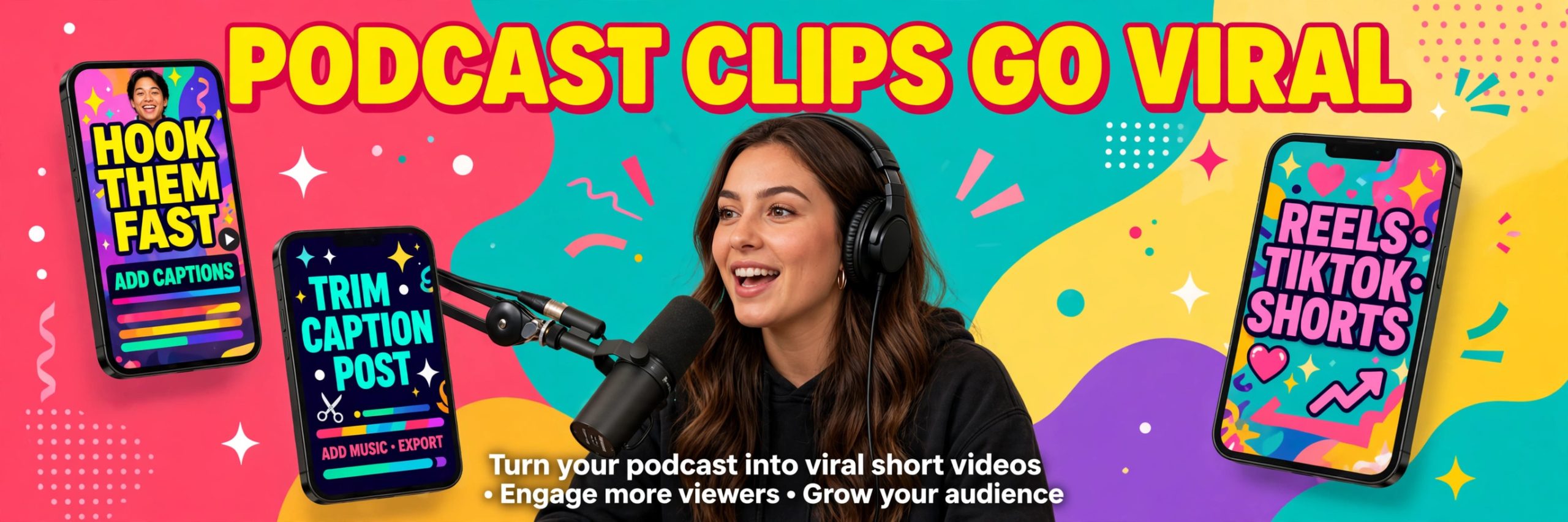
Good clip moments usually share a few traits. They contain one idea, not five. They start with tension or curiosity and end before the energy drops. They make sense without the previous ten minutes of context. If a clip needs a long explanation before it makes sense, it is probably the wrong clip, or it needs a short text caption at the start to set the scene.
Step 2: Open with the hook, not the intro
The first few seconds decide everything. Viewers decide whether to keep watching almost instantly, so the strongest line should come first, not after a logo, a greeting or a slow build-up. If the best sentence arrives two minutes into the exchange, move it to the front of the clip.
Text on screen helps here. A short caption repeating the key question or claim gives scrolling viewers a reason to stop, especially when they watch without sound. Keep the text short, large and easy to read, and make sure it matches what is actually said. Misleading captions may win one view, but they lose trust.
Step 3: Reframe for vertical viewing
A podcast recorded for a wide screen does not automatically look right as a vertical short. Faces get cropped, subtitles get cut off and the video feels cramped. Take a few minutes to reframe each clip properly.
Keep the speaker’s face in the upper part of the frame where eyes naturally go. Put captions in the lower third, clear of platform buttons. If two people are talking, switch the focus between them rather than squeezing both into a tiny split screen. Clean visuals matter more than fancy effects, because a clip that is hard to watch is easy to skip.
Step 4: Turn one episode into a week of posts
One strong episode can realistically produce several shorts, each with a different angle. One clip can carry the funniest moment. Another can carry the most useful advice. A third can carry the most debated opinion. A fourth can be a behind-the-scenes moment that shows the personality behind the show.
This is where consistency comes from. Creators who post every day rarely record every day. They record once, cut carefully, and schedule the clips across the week. That rhythm keeps the show visible without burning out the host or repeating the same video.
Step 5: Write captions that invite a response
A clip ends, but the conversation should not. The caption and the closing line are your chance to invite viewers in. Ask a simple question related to the clip. Invite people to share their own experience. Point curious viewers to the full episode without sounding like an advertisement.
Hashtags help, but they are not magic. A few relevant tags describing the topic, the show and the language of the clip are enough. The clip itself does the heavy lifting.
What smart creators never do with clips
There are a few lines that careful creators do not cross, and they matter for the long-term health of a show. First, only clip your own podcast or material you have clear permission to use. Downloading and reposting someone else’s conversation as your own content is not a growth strategy. It is a fast way to lose credibility and risk a takedown.
Second, do not twist a guest’s words with a misleading edit. Cutting a sentence out of context to manufacture drama might spike one video, but guests notice, audiences notice, and future guests become harder to book. The creators who last are the ones guests trust.
Third, avoid shortcuts that promise instant growth. Bots, fake engagement and copied content do not build a real audience, and they can put an account at risk. The creators who grow steadily in Pakistan’s podcast scene do it the slower, organic way: consistent posting, honest clips, real replies to comments, and collaborations with other creators.
A simple weekly workflow that actually works
If you are starting out, keep the system small enough to repeat. Record one episode. While editing, mark your five strongest moments. Cut one clip per moment, each with a clear hook in the first seconds, clean captions and a vertical frame. Post them across the week, one at a time, and read the comments before choosing the next batch.
Pakistani podcasting is growing because conversations here are rich, funny, honest and varied. The creators winning the short-form game are not the ones with the fanciest studios. They are the ones who listen to their own episodes like a new listener would, pick the moment that matters, and present it cleanly.
Frequently asked questions
How long should a podcast clip be?
Most clips that perform well run somewhere between thirty seconds and ninety seconds. The exact length matters less than the structure: a strong opening, one clear idea, and an ending before the energy fades. If a moment needs more time, let it breathe rather than rushing it.
How many clips can one episode produce?
A typical hour-long conversation can produce several usable clips, often around five, depending on how varied the discussion is. Quality matters more than quantity. Three strong clips will serve a show better than ten forgettable ones.
Do I need expensive editing software?
No. Most creators start with simple editing apps on their phone or computer. Clean cuts, readable captions and good framing matter far more than advanced effects.
Should clips go on every platform?
It helps to share clips where your audience already spends time, which for many Pakistani creators means TikTok, Instagram Reels and YouTube Shorts. You can adapt the same clip slightly for each platform, but avoid posting identical content everywhere at the exact same moment if you want each audience to feel considered.
Can I clip someone else’s podcast?
Only with permission. Clipping your own show is always safe. Reusing another creator’s conversation without consent risks takedowns and damages trust, even if you credit them. When in doubt, ask first.
What if my first clips do not perform well?
That is normal. Early clips teach you what your audience responds to, and most creators improve quickly once they study which openings hold viewers and which topics spark comments. Keep the quality steady, post consistently, and let the feedback guide your next cuts.
Final thought
A podcast is not just a long recording. It is a collection of moments, and short video is how new listeners discover those moments. Pick the strongest minute, open with it, frame it cleanly, and let it lead viewers back to the full conversation. Done honestly and consistently, that simple habit can grow a show far beyond its existing audience.
For creators studying what works in short video, On4t’s TikTok Video Downloader is a handy reference tool for saving public short videos to learn from. Use it to study pacing, hooks and captions, then apply those lessons to your own original clips.
On4t is not affiliated with or endorsed by TikTok.