
A Rivalry Like No Other: India vs Pakistan in the Asia Cup Final
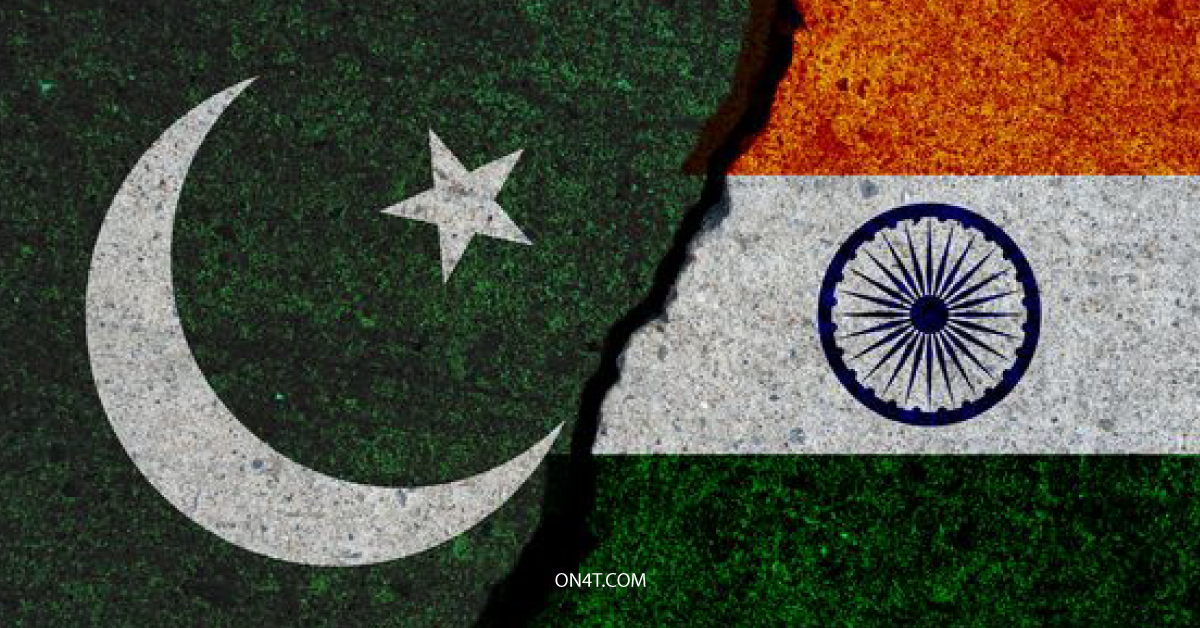
When the cricketing world looks for matches that go beyond the boundary ropes, they find India vs Pakistan. The animosity, the passion, the legacy—it all converges in high-stakes games. For the first time in the 41-year history of the Asia Cup, the two arch-rivals are clashing in the final. A spectacle is guaranteed.
On 28 September 2025, under the lights of Dubai International Stadium, the stage is set for one of cricket’s most anticipated showdowns. This is more than just a match; it’s history in the making.
India enter the final with an unblemished record in the tournament, having defeated Pakistan twice already in this edition.  Pakistan, meanwhile, have clawed their way through, facing pressure and expectations from every angle. 
In this blog post, we’ll dive into the background, match build-up, strategies, key players, unfolding drama, and implications of this high-octane final.
⸻
- Historical and Tournament Context
1.1 Asia Cup & India-Pakistan Encounters
The Asia Cup, inaugurated in 1984, was designed to measure dominance among the Asian cricketing powers: India, Pakistan, Sri Lanka, Bangladesh, and later others. Over the years, it has alternated between ODI and T20 formats depending on ICC scheduling.
Despite frequent meetings between India and Pakistan in Asia Cups, this is the first time they have met in the final.  In earlier editions, even when both progressed, they were often placed in the same group or met earlier, thus never reaching a head-to-head ultimate match in an Asia Cup.
For India, the Asia Cup has been a domain of dominance: they are chasing their ninth title.  Pakistan, on the other hand, have won the Asia Cup twice and are eager to add a third. 
Given the political, historical, and sporting baggage, any India-Pakistan match is elevated in drama. That added weight is even more intense when a trophy is on the line.
1.2 Road to the Final
India’s path: Smooth, commanding, and consistent. They won all matches—group stage and super four—dispatching Pakistan twice already in this tournament.  Their form, belief, and momentum are at a peak.
Pakistan’s path: More turbulent. They had to fight their way through the Super Four stage, clinching a narrow victory over Bangladesh to reach the final.  Their bowling has been a strength, but consistency in batting has often fluctuated.
Thus, the final is not just a match between two teams; it’s a contrast between India’s dominance and Pakistan’s hunger.
⸻
- Venue, Conditions & Toss
2.1 Dubai International Stadium & Pitch Report
Dubai has hosted numerous marquee matches, and its conditions are well understood. The pitch is expected to be balanced but with a slight edge to the bowlers early on, especially spinners, as the surface tends to slow and grip as the match progresses.  Dew in the second half (evening hours) is expected, which often aids teams chasing under lights. 
Weather-wise, conditions are dry with no major threat of rain, meaning we expect a full game. 
Given these conditions, captains might prefer chasing, trusting the dew and pressures on bowlers in the end.
2.2 Toss & Decisions
In a notable moment, India won the toss and elected to bowl first. 
This decision is in line with their previous successes chasing Pakistan in this tournament and leveraging second-innings dew. 
Interestingly, in the toss, no handshake was exchanged between the captains, continuing a streak of tense diplomatic gestures in India-Pakistan fixtures. 
Pakistan captain Salman Ali Agha fielded an unchanged team, while India made a few tweaks: Rinku Singh was in, replacing Hardik Pandya, who is sidelined by a minor injury. Jasprit Bumrah and Shivam Dube returned. 
Thus, the stage is set: Pakistan to bat first, India relying on spin, and a high-pressure chase looming.
⸻
- Pakistan’s Innings: From Promise to Collapse
3.1 A Bright Start
Pakistan got off to a solid start, with openers Sahibzada Farhan (57 off 38) and Fakhar Zaman (46 off 35) combining to build a platform.  By around the 13th over, the score had surged to 113/1, and it looked like Pakistan would post a challenging total. 
Wickets had not flowed; the Pakistan pair were confident, timing the ball well, and negotiating India’s attacking fields.
3.2 The Turning Point: Collapse Under Spin
But then the wheels came off.
In a stunning turn, Kuldeep Yadav wove his magic, capturing 4 wickets as Pakistan crumbled.  The collapse was brutal:
• From 113/1, Pakistan slid to 134/8, losing 7 wickets for 23 runs in quick succession. 
• Varun Chakravarthy, Axar Patel, and Kuldeep Yadav all took vital breakthroughs. 
• Shaheen Shah Afridi fell for a duck, trapped LBW. 
• Faheem Ashraf edged one to Tilak Varma, and the rest of the tail failed to offer resistance. 
Pakistan were bowled out for 146 in 19.1 overs. 
Thus, a promising start ended in disaster—the spin trio dominated, Pakistan’s middle and lower order buckled, and a potentially competitive total turned moderate.
3.3 Match Momentum Shift
This collapse shifted the balance entirely. What seemed like a game between equals became one where India held a clear upper hand. The psychological blow of losing so many wickets rapidly, coupled with the pressure of a final, placed Pakistan on the back foot even before their bowlers took the field.
For Pakistan, the plan would now pivot: defend a modest total and hope India falter under pressure.
⸻
- India’s Chase: Calculated, Composed, Commanding
4.1 The Start & Middle Overs
Chasing 147, India entered with confidence. The openers—Abhishek Sharma, Shubman Gill—set the tone, keeping the scoreboard ticking, rotating strike, and not overcommitting. 
The key was to weather the Pakistan new-ball assault and settle into the chase. India had done this consistently in the tournament, and the conditions were favorable for a paced approach backed by depth in batting.
4.2 Death Overs & Finishing Touches
With dew expected and applied pressure on Pakistan’s bowlers, India would aim to accelerate in the final overs. The spin-heavy attack from Pakistan, when dry, can be potent, but the combination of dew plus India’s experience in chases gives advantage to the hunters.
Key roles of Tilak Varma, Sanju Samson, and Rinku Singh (if deployed properly) will be about maintaining momentum, picking gaps, and punishing anything loose.
Behind the scenes, the Indian bowling attack is sharp and varied. Should the match tilt back to the bowlers, India can lean on Bumrah, Kuldeep, Chakravarthy, and Axar—a rich blend of pace, spin, and control.
Given the match narrative so far, the expectation is that India will close this one out with composure rather than dramatic fireworks.
⸻
- Key Players to Watch & Tactical Battles
5.1 India’s X-Factors
• Kuldeep Yadav — Already the central architect of Pakistan’s collapse with 4 wickets, his ability to turn the ball at crucial moments is a game changer. 
• Varun Chakravarthy — The mystery spin factor; his variations and flight could disrupt Pakistan’s middle order. 
• Axar Patel — Control, sharpness, and the capacity to pick wickets in the middle overs.
• Abhishek Sharma — The tournament’s top run-getter (309 runs) and India’s most consistent destructive batter. 
• Shubman Gill — The anchor at the top; his job is to avoid early damage and set a stable rhythm.
5.2 Pakistan’s Crucial Contributors & Challenges
• Sahibzada Farhan / Fakhar Zaman — If they replicate their opening partnership, Pakistan can set themselves up for a good total. But the collapse suggests pressure can derail even good starts.
• Shaheen Afridi — Pakistan’s premier strike bowler; if he finds rhythm early, India’s chase could be disrupted. 
• Haris Rauf / Abrar Ahmed / Mohammad Nawaz — Their spells will be key in middle overs, especially to contain India’s attack before they accelerate.
• Pakistan’s batting depth beyond the top 3 is under scrutiny. With collapses common in this tournament, the burden is high.
5.3 Tactical Matchups & Chess Moves
• India’s decision to bowl first is predicated on dew and leveraging a collapse. If that works, the plan is vindicated.
• Pakistan must counter early with swing or seam, silence the Indian openers, and not let them settle.
• The spin battle: Kuldeep vs Pakistan’s middle order; Varun vs the likes of Nawaz.
• Death-over execution will test both teams’ nerves.
⸻
- Off-Field Factors, Atmosphere & Stakes
6.1 Security, Crowd & Regulations
Given the historic nature of this final, security is intense. Dubai Police have issued stern warnings to fans, laid out entry protocols, and banned certain items. Violations could lead to fines up to Rs 7 lakh (AED ~30,000) or jail time.  The spectacle demands not just fine cricket but disciplined conduct.
6.2 Political Undercurrents & Diplomacy
Matches between India and Pakistan inevitably carry political subtext. The absence of a handshake at toss is symbolic of strained relations, reflecting that even in sport, tensions linger. 
The BCCI reportedly chose not to send official representatives to Dubai, signaling the delicate balance they try to maintain. 
Media narratives, fan fervor, and global attention amplify the pressure. For both teams, a win is not just glory but a boost in national sporting pride.
6.3 Broadcast & Global Viewership
This final is being streamed and broadcast globally:
• In India, via Sony Sports Network and SonyLIV. 
• In Pakistan, live on PTV and streaming on Tamasha/Myco. 
• International platforms like Willow TV (US), others depending on regional rights. 
Even Indian multiplexes (PVR, Inox) are reportedly showing the match live for fans. 
The world is watching—not just cricket lovers, but casual viewers drawn in by the narrative.
⸻
- A Tentative Post-Match Reflection & Implications
As of now, Pakistan is 146 all out. The writing is on the wall: India would need 147 to win. 
With Kuldeep delivering a 4-wicket haul, India’s spin dominance is already asserting itself. 
If India execute their chase well, they will claim a historic ninth Asia Cup and do so by defeating their fiercest rivals in the climactic final—a narrative arc for the ages.
What this win (or loss) means:
• For India, cementing dominance in Asian tournaments, reinforcing their mindset of chasing under pressure, and adding a trophy with style.
• For Pakistan, lessons about batting collapses under pressure, the need to build deeper resilience, and perhaps rethinking middle-order strategies.
• For the rivalry: this match will be replayed, analyzed, and remembered as one of the defining chapters in India-Pakistan cricket.
⸻
- Final Thoughts & What to Watch For
• India’s spin trio vs Pakistan’s batting nerves
• How Pakistan pace (Shaheen, Rauf) respond in a chase scenario
• The finishing overs: who holds composure?
• The crowd, the tension, the roar at every boundary
“To watch the match, you can click on this link: Asia Cup 2025 – TamashaWeb This match is not just about cricketing skill; it’s also about mental toughness, momentum, and nerves under pressure. A collapse like Pakistan’s continues to haunt them; India now have the canvas to paint a masterpiece.